
Sports sponsorship has changed a lot over the years. For some people, it still brings to mind big brands paying huge money to appear on football shirts, stadium boards or televised events. That world still exists, of course. But for many businesses, especially small and medium sized companies, the real opportunity is much closer to home.
Local sports sponsorship can be one of the most practical ways for a business to build trust, get seen by the right people and support something that genuinely matters in the community. It is not just about sticking a logo on a jersey and hoping for the best. Done properly, it can become a useful part of a wider marketing plan.
Actually, in some cases, it can be more memorable than a standard advert.
Think about it. People may scroll past dozens of online ads every day, but they remember the business that helped their child’s team get new kits, supported the local club fundraiser or sponsored the match day banner at a community event. That kind of visibility carries a different feeling. It feels local. It feels real.
What Is Sports Sponsorship?
Sports sponsorship is when a business provides money, products, services or support to a sports club, team, athlete, tournament or event in return for brand exposure.
This can include simple things such as:
• A logo on team jerseys
• A pitch side sign
• Sponsorship of a match, league or tournament
• Social media mentions from the club
• Website links from the club or event page
• Branded training gear
• Support for equipment, travel or facilities
• Sponsorship of youth teams or community events
For larger companies, sponsorship may be part of a national brand awareness campaign. For local businesses, it is often about becoming known and trusted in a specific area.
That difference matters. A local plumber, estate agent, café, gym, trades company or retailer does not always need national attention. They need the right attention, from people nearby who may actually use their services.
Why Businesses Sponsor Sports Teams
The main reason businesses sponsor sports teams is visibility. But the better reason is connection.
A paid advert can put your name in front of people. Sponsorship can place your brand inside a community that already has loyalty, emotion and attention built into it. Supporters care about their club. Parents care about their children’s team. Players remember the businesses that helped them.
That creates a warmer form of marketing.
A local business might sponsor a team and gain:
• Brand awareness in the local area
• Positive community reputation
• Social media exposure
• Website mentions and backlinks
• Word of mouth referrals
• Networking opportunities
• A stronger local identity
• Content for its own marketing channels
It is not magic, and it should not be treated like charity with a logo attached. The best sponsorships work when both sides understand the value. The club gets support. The business gets exposure, goodwill and useful marketing opportunities.
Local Sponsorship Can Build Real Trust
Trust is one of the hardest things for businesses to earn. You can say you are reliable, professional and community focused, but people often believe actions more than words.
Sponsoring a local sports team is a visible action.
It shows that the business is willing to invest in the area, not just sell to it. That can be especially powerful for companies connected to sport, fitness, clothing, health, trades, food, local services and community life.
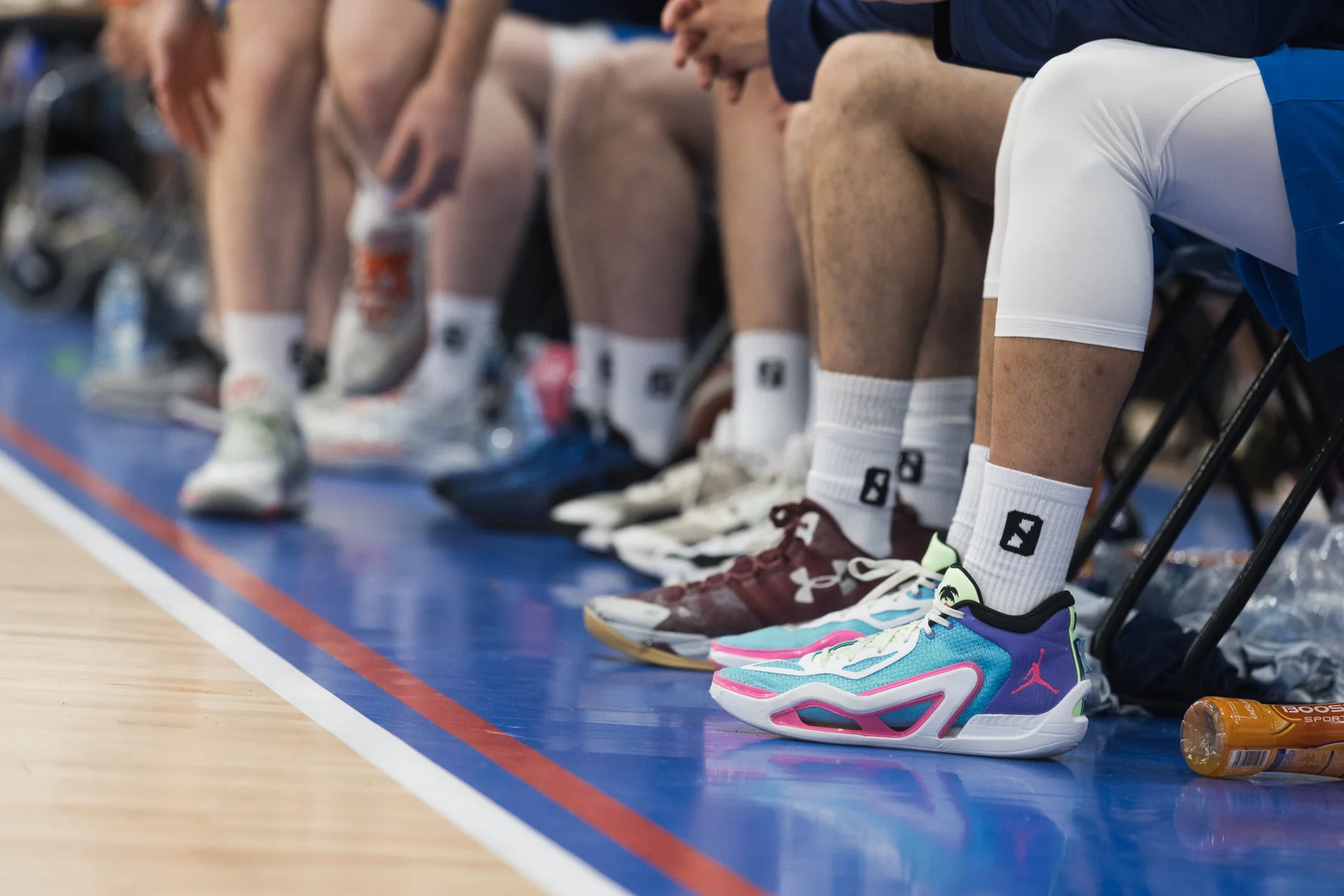
For example, Irish basketball clubs looking for custom kits, training wear or club shop products can work with ISO Basketball to create gear that supports their team identity while also giving sponsors a visible place in the club’s match day presence.
That is where sponsorship becomes more than a name on a shirt. A business can support the team, the club can improve its presentation, and players can wear something that feels professional. Everyone gets something useful from the relationship.
A family looking for a local service might recognise a company name from the club jersey their child wears every weekend. A business owner may remember a sponsor from a community tournament. A parent may recommend a sponsor simply because they see that company supporting the team.
It is small touches like this that make sponsorship valuable.
Not every lead comes from a direct click. Sometimes the brand sits in a person’s mind for months before they need the service. When the time comes, recognition can be the difference between being chosen and being ignored.
Sports Sponsorship And Digital Marketing
One mistake businesses make is treating sponsorship as an offline activity only. They pay for a logo placement, attend a few events, then leave the rest to chance.
That is a missed opportunity.
Modern sports sponsorship should connect with digital marketing. A local club may have a website, Facebook page, Instagram account, TikTok profile, email list or WhatsApp community. All of these can help promote the sponsor in a more active way.
A good sponsorship package might include:
• A sponsor announcement post
• Monthly social media mentions
• A link from the club website
• Sponsor logo on event graphics
• Match day posts featuring the sponsor
• Photos of the team using sponsored gear
• A short thank you video from players
• Sponsor feature in newsletters
• Joint competitions or giveaways
This gives the business content it can also reuse on its own channels.
For example, instead of just saying “we are proud to sponsor the team,” the business can post photos, updates, match day stories and community messages throughout the year. That keeps the sponsorship alive.
The more active the sponsorship is, the more value it creates.
The SEO Value Of Sports Sponsorships
Sports sponsorship can also help with search engine optimisation, especially for local businesses.
When a club adds a sponsor to its website and links back to the business, that link can support the company’s online authority. Not every link is equal, of course, but a genuine local backlink from a relevant community organisation can be useful.
For local SEO, these links can help reinforce area relevance. If a business serves Dublin, Cork, Galway, Meath, Waterford or any other region, local links from clubs, schools, charities and community groups can help build a stronger local footprint online.
A good sponsorship backlink should ideally be placed on a proper sponsor page or news post with a short description of the business. It should not just be a tiny logo hidden at the bottom of a page with no context.
A better sponsor mention might include:
• The business name
• A short description of what they do
• The area they serve
• A natural link to their website
• A quote from the club or sponsor
• A photo or announcement
This feels natural for readers and more useful for search engines.
What Makes A Good Sponsorship Opportunity?
Not every sponsorship is worth the same. A business should look beyond the price and ask a few practical questions.
Does the club have an active local following?
A small club with loyal members can be more valuable than a larger organisation with poor engagement. If the club posts regularly, has supportive families and gets people involved, the sponsor has more chances to be seen.
Does the audience match the business?
A children’s football club might be ideal for a family focused local business. A gym, physio clinic, sports shop or health brand may suit adult sports teams. A teamwear company may suit clubs that need kits, warm up tops or training clothing. A construction company may benefit from sponsoring a club in the same area where it wants more visibility.
Will the club promote the sponsor properly?
A logo on a jersey is useful, but it should not be the whole package. Businesses should ask whether the sponsorship includes website links, social media posts, event mentions or photo content.
Is the club well run?
This matters more than people think. A good club will communicate clearly, deliver what was promised and provide sponsor updates. A disorganised club may take the money and forget about the promotion.
Can the sponsorship become long term?
One season can be useful. Three seasons can be powerful. Repeated exposure builds familiarity, and familiarity often builds trust.
Different Types Of Sports Sponsorship
There are many ways for businesses to support sport. The right option depends on budget, goals and the type of exposure needed.
Team Kit Sponsorship
This is one of the most common options. The business logo appears on the team jersey, training top or tracksuit. It gives strong visibility in photos, matches and social media posts.
Kit sponsorship is especially useful when the club posts regular match day content. Every match photo, group image and celebration post gives the sponsor another chance to be seen.
Event Sponsorship
A business can sponsor a tournament, charity match, awards night or community sports day. This can be great for short term exposure, especially if the event gets local press, photography and social media coverage.
Event sponsorship can also work well for businesses that want to be seen as active in the community without committing to a full season of sponsorship.
Youth Team Sponsorship
Supporting youth teams can create strong goodwill. Parents, coaches and families often appreciate businesses that help children access better kits, equipment and facilities.
It is not always the loudest form of marketing, but it can be one of the most respected.
Facility Or Equipment Sponsorship
Some businesses help fund training equipment, pitch improvements, gym gear, cones, balls, bibs or safety items. This type of support can be very practical and appreciated by clubs.
It also gives the business a positive story to tell.
Digital Sponsorship
This focuses on online promotion. The business may sponsor a club’s website, livestream, podcast, social media updates or match reports.
For businesses interested in online visibility and backlinks, this can be particularly useful. A sponsor can be mentioned in match reports, club announcements, online interviews or season updates, rather than only appearing on physical materials.
How Businesses Can Get More Value From Sponsorship
A sponsorship should not be treated as a one time payment. It needs a plan.
Before agreeing to sponsor a club, the business should know what it wants from the deal. Is the goal local awareness? Website traffic? Social media content? Community goodwill? Networking? Recruitment? SEO?
Once the goal is clear, the sponsorship can be shaped properly.
Here are a few smart ways to make sponsorship work harder:
• Ask for a proper announcement post
• Request a backlink from the club website
• Get photos of the sponsored kit or event
• Share club updates on your own business page
• Attend important events when possible
• Offer a discount or promotion to club members
• Create a short case study about the sponsorship
• Renew sponsorships that bring genuine value
The key is consistency. One post is easy to miss. Repeated mentions over a season are much harder to ignore.
Why Clubs Should Also Think Like Marketers
Businesses are more likely to sponsor a club when the offer is clear.
A club that simply says “we need a sponsor” may struggle. A club that explains the audience size, social reach, match attendance, website traffic and sponsor benefits will look much more professional.
Clubs should prepare simple sponsorship packages that explain:
• What the sponsor gets
• Where the logo will appear
• How often the sponsor will be mentioned
• Whether a website link is included
• What photos or content will be provided
• How long the sponsorship lasts
• The cost of each package
This helps businesses see the value. It also makes the relationship fairer.
Well, most business owners do not mind supporting local sport. They just need to understand what they are getting in return.
Sports Sponsorship Is Not Just For Big Brands
The beauty of local sponsorship is that it is accessible. A small business does not need a massive budget to make a difference.
A local café might sponsor warm up tops. A trades company might sponsor a youth team. A gym might sponsor training bibs. A sportswear brand might support a club shop or teamwear range. A car dealership might support a local tournament.
Each of these can create visibility in a natural way.
And because sport brings people together, the brand exposure often feels less intrusive than traditional advertising. People are not being interrupted. They are seeing a business support something they already care about.
That is a subtle but important difference.
Final Thoughts
Sports sponsorship can be a clever marketing move for businesses that want local visibility, stronger community ties and useful brand exposure. It works best when it is planned properly, promoted consistently and treated as more than a logo placement.
For clubs, it can provide the funding needed to improve kits, equipment, events and facilities. For businesses, it can create trust, recognition, content and sometimes valuable local backlinks.
The strongest sponsorships are the ones where both sides benefit. The club feels supported. The business feels visible. The community sees a partnership that makes sense.